High-Rise Plots in Rawalpindi: A 2026 Investor’s Guide
Twin-city property buyers are rethinking how they deploy capital this year, and high-rise plots in Rawalpindi have become one of the most talked-about categories in that shift. Vertical development lets a single plot host retail, offices, and apartments at once, which means one purchase can generate several income streams instead of one. For investors who have outgrown simple residential flipping, this is where the real upside now sits.
This guide breaks down why high-rise land is outperforming flat residential plots, how commercial zoning in Islamabad factors into the equation, and what due diligence actually looks like before you sign a booking form in 2026.
Why High-Rise Plots in Rawalpindi Are Gaining Ground
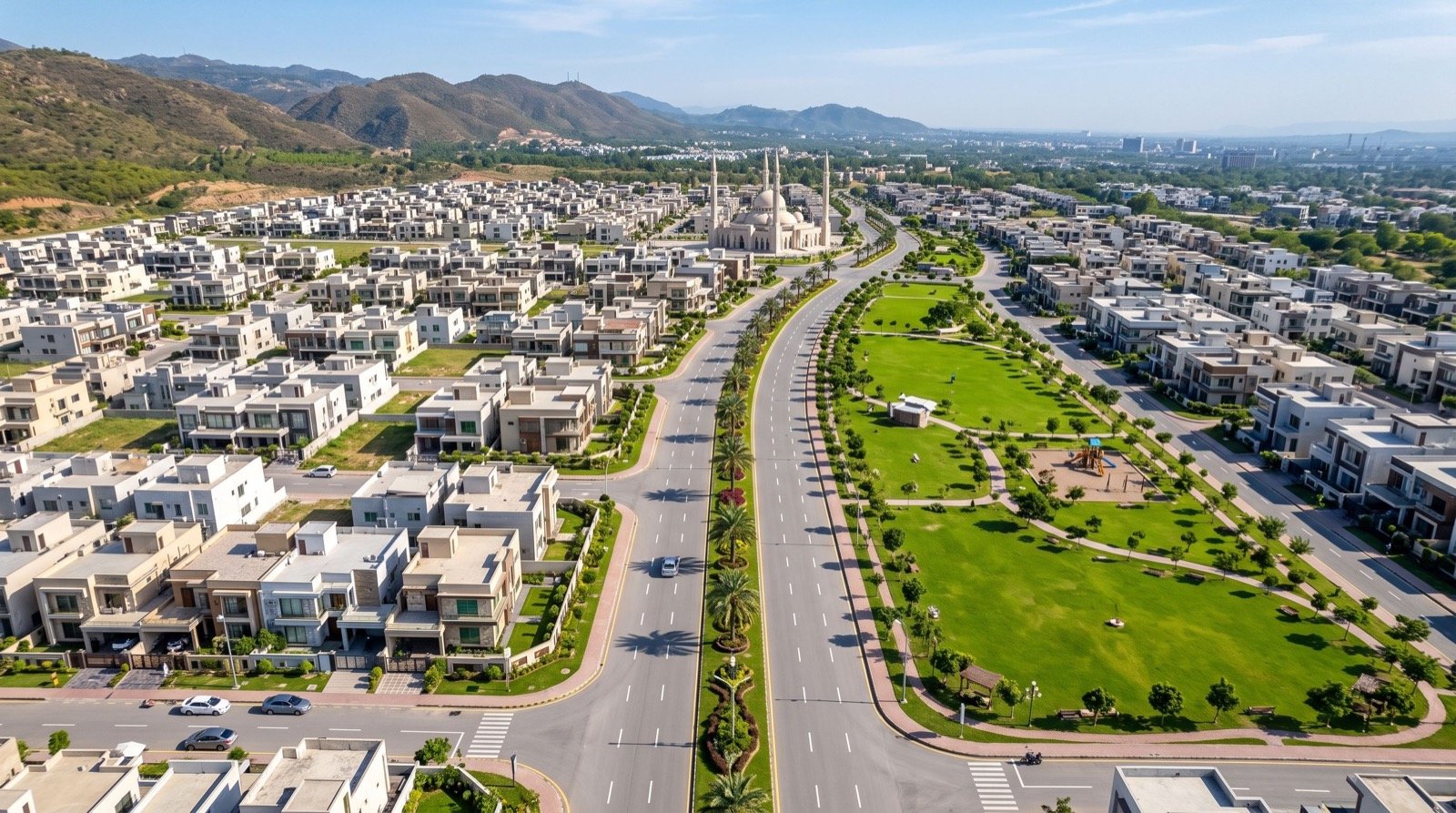
Rawalpindi’s horizontal sprawl is reaching its practical limits near the GT Road and Adiala Road corridors. Developers have responded by approving taller, mixed-use blocks on fewer but larger parcels, which pushes demand toward the few plots zoned for high-rise construction.
A good example of this trend is the 5.5 Kanal High Rise Plots category inside planned communities, where the plot size is deliberately set large enough to support a tower footprint, parking basements, and shared amenities that smaller plots simply cannot accommodate.
What Changed in the Market This Year
Construction costs stabilized after two volatile years, interest from overseas Pakistanis picked up again, and local banks loosened some underwriting criteria for income-generating property. Together, these shifts made vertical plots financially viable for a wider pool of buyers, not just large developers.
Commercial Zoning: The Islamabad Angle
No discussion of high-rise investing in the twin cities is complete without looking across the boundary into Islamabad, where commercial land carries a scarcity premium. Zoning there is tightly controlled, so every approved commercial parcel tends to hold its value even when the wider market cools.
Buyers frequently pair a high-rise residential plot in Rawalpindi with a Commercial Plot for sale in Islamabad to balance long-term rental income against shorter-term retail or office returns. This dual-city approach spreads risk across two distinct demand drivers: housing need and business footfall.
High-Rise vs. Traditional Plot: A Side-by-Side Look
| Factor | High-Rise Plot | Traditional Residential Plot |
|---|---|---|
| Typical minimum size | 5+ Kanal | 5–10 Marla |
| Income streams | Retail + office + residential | Single-family resale/rent |
| Entry cost | Higher | Lower |
| Approval complexity | High (structural, fire, parking) | Low to moderate |
| Long-term appreciation driver | Density and commercial demand | Neighbourhood growth |
How Do You Evaluate a High-Rise Plot Before Buying?
Three checks matter more than any brochure promise: confirmed zoning approval from the relevant development authority, a no-objection certificate for the specific height and use proposed, and a transparent, published payment schedule. Skipping any of these is the single most common reason buyers end up in disputes years later.
It also helps to physically visit during both daytime and evening hours. Traffic flow, nearby construction noise, and utility access often look very different once the sun goes down, and these details rarely make it into a glossy sales brochure.
Financing Considerations for 2026
Most buyers now split payment across booking, construction-linked instalments, and possession. According to housing finance data published by the State Bank of Pakistan, mortgage uptake for income-generating property has grown steadily, which has pushed developers to offer more flexible, bank-compatible instalment structures than they did five years ago.
Infrastructure Trends Shaping Twin-City Property Values
Plot prices rarely move in isolation — they track the roads, utilities, and transit links being built around them. Over the past two years, ring-road extensions and signal-free corridors linking Rawalpindi to Islamabad have cut commute times for several societies, and plots along those improved routes have appreciated faster than comparable parcels elsewhere.
Water and electricity load-shedding history is another factor serious buyers check before committing. A society with its own dedicated feeder and water treatment plant tends to hold occupancy — and therefore rental yield — far better than one that relies entirely on municipal supply during peak summer months.
Population Growth Behind the Demand
Pakistan’s urban population continues to climb, and the Pakistan Bureau of Statistics has repeatedly flagged Rawalpindi and Islamabad among the fastest-growing urban districts in the country. That underlying demographic pressure is the long-run reason high-rise and commercial land in the twin cities keeps attracting fresh capital even during short-term market slowdowns.
For an investor, this means the decision isn’t just about today’s asking price. It’s about whether the plot sits on a growth corridor that will still be in demand five or ten years from now, once the current wave of construction is complete.
Common Mistakes First-Time Commercial Investors Make
- Buying before confirming the society has a valid development authority approval, not just a marketing-stage no-objection letter.
- Underestimating the holding period needed before a high-rise project reaches full occupancy and positive cash flow.
- Ignoring resale liquidity — larger, higher-value plots take longer to sell than small residential ones.
- Skipping a site visit during peak traffic hours, which hides real accessibility issues.
- Relying only on verbal promises about possession dates instead of a written, dated payment and handover plan.
Working with the Right Team Matters
Whichever plot category you choose, the quality of the development team behind it determines whether the paperwork, construction timeline, and handover actually happen as promised. Buyers consistently report fewer surprises when they lean on an experienced local team that understands both the regulatory process and the practical construction realities of the twin cities.
That same principle of vetting a track record before committing capital applies whether you’re evaluating a developer, a contractor, or any service provider tied to a major purchase — reputation and delivered projects matter more than marketing copy.
Frequently Asked Questions
Are high-rise plots in Rawalpindi a good investment in 2026?
Yes, for buyers who can afford the higher entry cost. Scarcity of approved vertical land, combined with growing demand for mixed-use space, has kept appreciation ahead of standard residential plots in most twin-city societies this year.
How much does a high-rise plot typically cost compared to a residential plot?
Pricing varies by society and location, but high-rise plots generally carry a 30–60% premium per unit area because of the larger minimum size requirement and the added commercial value of the zoning.
Can overseas Pakistanis buy high-rise or commercial plots remotely?
Yes. Most developers now offer digital booking, video site tours, and power-of-attorney transfer processes, though an in-person or trusted-representative site visit before final payment is still strongly recommended.
What documents should I ask for before booking?
Request the approved layout plan, the development authority’s no-objection certificate, the official payment plan, and the society’s registration documents. A reputable seller will hand these over without hesitation.
Final Thoughts
High-rise plots in Rawalpindi are no longer a niche play reserved for large developers — they have become a mainstream option for serious investors seeking multiple income streams from a single asset in 2026. Pair that with the scarcity premium attached to commercial land just across the boundary in Islamabad, and the twin-city market offers one of the more balanced risk-reward setups available right now. As always, the paperwork and the development team behind the project matter just as much as the location itself.