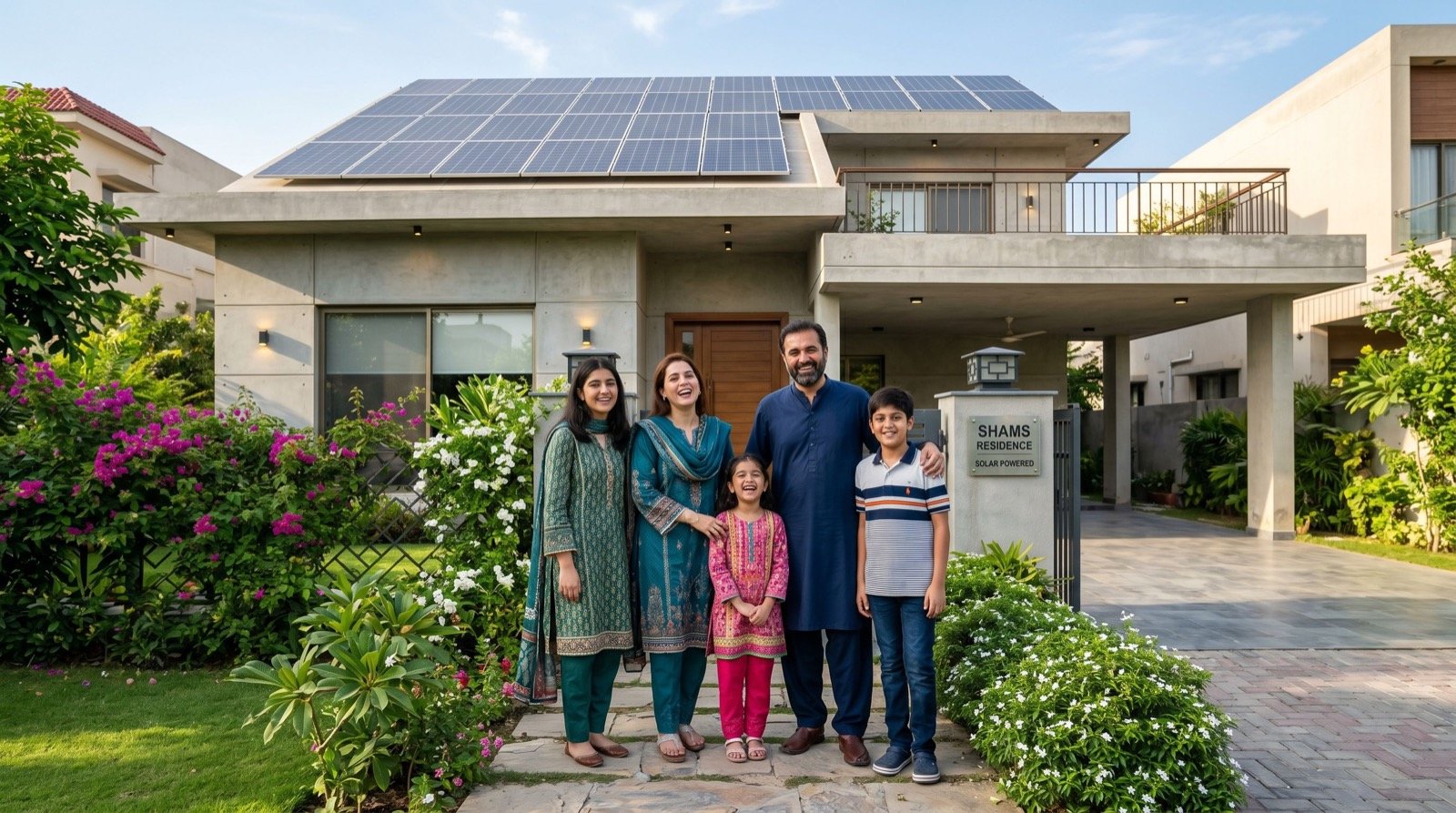

Choosing a Solar Company in Multan: 2026 Buyer’s Guide
Picking the right solar company in Multan is less about chasing the lowest quote and more about verifying who will actually be around in three years when an inverter needs servicing. Multan’s long, intense summers put real stress on panels and wiring, so the installer’s track record matters as much as the equipment brand printed on the invoice. This guide breaks down what separates a solid solar company in Multan from a van-and-a-ladder outfit that disappears after installation day.
Electricity bills across southern Punjab have kept climbing into 2026, and most homeowners now treat solar less as a luxury upgrade and more as a predictable way to flatten summer billing spikes. The decision is rarely about whether to go solar anymore; it is about choosing a contractor who sizes the system correctly and handles the paperwork without drama.
Why Multan’s Climate Changes the Installation Math
Panel output drops as cell temperature rises, and Multan regularly sees surface temperatures well above what panel datasheets assume as a baseline. A company that only quotes nameplate wattage without adjusting for local derating is either inexperienced or being optimistic to win the sale.
Ask any shortlisted installer how they account for temperature losses in their production estimate. A credible answer references a derating factor, not just “it will cover your bill,” because vague reassurance is usually a sign the estimate was never actually modeled.
What Makes a Solar Company in Multan Trustworthy?
Three things separate dependable installers from the rest: a registered business address you can visit, a written warranty that names the manufacturer rather than the installer alone, and a net-metering application history with the local distribution company. MEPCO processes net-metering connections for the region, and an installer who has done this dozens of times will move through the paperwork far faster than one filing for the first time.
- Request at least three completed installation addresses you can independently verify, not just photos.
- Confirm whether the quoted price includes net-metering application fees or treats them as a separate line item later.
- Check that the inverter brand has an active local service presence, not just an online manual.
- Ask how load-shedding and grid instability affect the specific inverter model being proposed.
Comparing System Sizes and Realistic Payback
Most Multan households fall into one of three rough system-size bands depending on monthly consumption. The table below is a simplified starting point for conversations with an installer, not a substitute for an actual load audit of your meter readings.
| Monthly Usage | Typical System Size | Rough Payback Window |
|---|---|---|
| Under 600 units | 3-5 kW | 4-6 years |
| 600-1,200 units | 5-8 kW | 3-5 years |
| Over 1,200 units | 8-12 kW+ | 3-4 years |
Payback shortens when a household shifts more daytime load, such as running water pumps or air conditioning during sunlight hours rather than at night, which is a detail many first-time buyers overlook during quoting.
Handling the Paper Trail Without Losing Your Mind
A full solar quote package usually arrives as several PDFs: the technical proposal, the warranty certificate, and the net-metering application draft. Homeowners comparing two or three installers often want to share these documents in a family group chat or forward specific pages to a relative who understands electrical specs, and PDFs are clumsy for that on mobile. Running a quote through a PDF to PNG converter turns each page into a clean image that pastes directly into WhatsApp or email without forcing everyone to download and open a separate file.
The same logic applies to roof measurement photos many installers request before finalizing panel layout. Net-metering portals and some installer intake forms expect images in a specific frame, and checking an aspect ratio calculator before uploading saves a round of rejected submissions over an awkwardly cropped roof photo.
Red Flags That Should End the Conversation
Certain warning signs show up again and again in complaints about failed solar installations in Punjab. Watch for any installer who refuses a written contract, demands full payment before any equipment arrives on site, or cannot name the specific inverter model being installed.
- No fixed-price written quote, only verbal estimates that change after the deposit is paid.
- Reluctance to share the manufacturer’s warranty document directly.
- Pressure to decide within 24 hours to “lock in” a discount.
- No mention of structural roof assessment before confirming panel placement.
Financing a System Without Draining Savings
Most Multan households still pay for solar through a mix of savings and bank or manufacturer financing rather than a single lump sum, and the terms on offer have genuinely improved in 2026 as more banks compete for green-energy lending. A monthly installment plan spread over two to four years often costs less than the electricity bill the system replaces, which is the detail that convinces a lot of hesitant buyers to commit.
Before signing any financing agreement, confirm the total cost including markup, not just the advertised monthly figure, and ask whether early settlement carries a penalty. Some installers bundle financing through a partner bank and quietly add a service margin on top, so it is worth comparing the all-in cost against a separate bank loan quoted independently.
Maintenance That Actually Protects Your Investment
Dust accumulation is the single biggest performance killer for rooftop systems in Multan, given how much airborne dust the region sees compared to coastal cities. A system that is never cleaned can lose a meaningful share of its output within a single dry season, quietly eating into the payback timeline without the homeowner noticing until the next bill arrives unexpectedly high.
- Clean panels every four to six weeks during the dry season, more often after a dust storm.
- Check cable connections and the inverter display monthly for error codes or unusual readings.
- Schedule an annual professional inspection covering mounting hardware and earthing integrity.
- Keep the original warranty paperwork accessible, since claims move faster with proof of installation date and model numbers on hand.
Working With an Experienced Local Team
Homeowners who do the comparison legwork tend to land on an experienced local team rather than the cheapest bidder, and that choice consistently pays off once the system is a year or two old and still running without repeated service calls. Experience shows up in details: correct cable sizing, proper earthing, and realistic production promises instead of inflated sales-pitch numbers.
According to the International Energy Agency’s solar PV data, distributed rooftop solar continues to grow fastest in regions with high daytime cooling loads and rising retail electricity prices, a pattern that matches Multan’s situation closely in 2026.
Frequently Asked Questions
How long does a typical solar installation take in Multan?
Most residential systems, once the equipment is on site, take two to four days to physically install. Net-metering approval through the distribution company usually adds several additional weeks before the system is fully grid-connected.
Is net metering worth it for a small household?
For most households with daytime consumption, yes, since it allows exported excess units to offset your bill. Households that are mostly away during the day see smaller benefits and may want a battery-backed setup instead.
What warranty should I expect on panels and inverters?
Reputable panel brands typically offer 10-12 year product warranties with 25-year performance guarantees, while inverters commonly carry 5-10 year warranties depending on the manufacturer.
Do I need a structural assessment before installing panels?
Yes, especially on older roofs. A qualified installer should check roof condition and load-bearing capacity before finalizing the mounting plan, not after panels arrive.
Final Thoughts
Choosing a solar company in Multan in 2026 comes down to verifiable experience, transparent paperwork, and realistic production estimates rather than the lowest number on a quote sheet. Take the extra week to compare properly, keep your documents organized and shareable, and the system you end up with will keep paying for itself long after the novelty of going solar has worn off.