Queue Management System in Riyadh: Cutting Wait Times Indoors and at the Drive-Thru in 2026
Riyadh moves fast, and its customers expect service to keep pace. Whether someone is collecting a government document downtown or grabbing a coffee from a drive-thru on the ring road, the wait defines the experience. A well-planned queue management system in Riyadh is how forward-thinking operators keep those waits short, fair, and measurable across both indoor counters and outdoor lanes in 2026.
This piece breaks down the two environments that matter most in the capital, the indoor service hall and the drive-thru, and shows how the right technology turns both into smooth, data-driven operations.
Two Waiting Worlds, One Goal
Indoor and drive-thru waiting look different but share the same enemy: dead time the customer cannot see progress through. Solve visibility and flow in both, and satisfaction climbs even before you add extra staff.
Indoors: the service hall
Banks, clinics, telecom stores, and municipal offices in Riyadh handle dense, varied traffic. A structured queue management system in riyadh ticketing platform gives each visitor a defined place in line, routes them to the correct counter, and turns a crowded room into an orderly sequence.
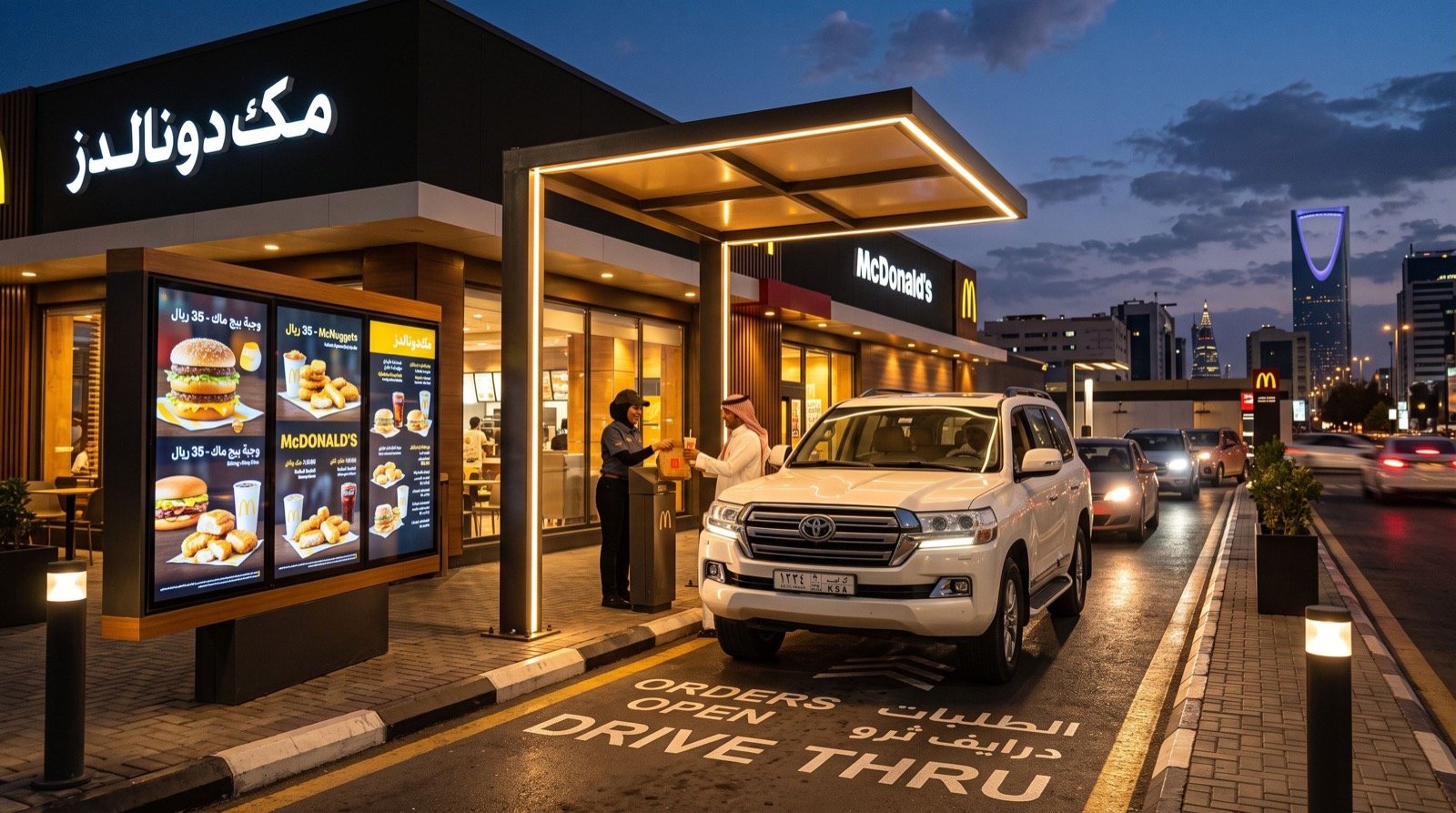
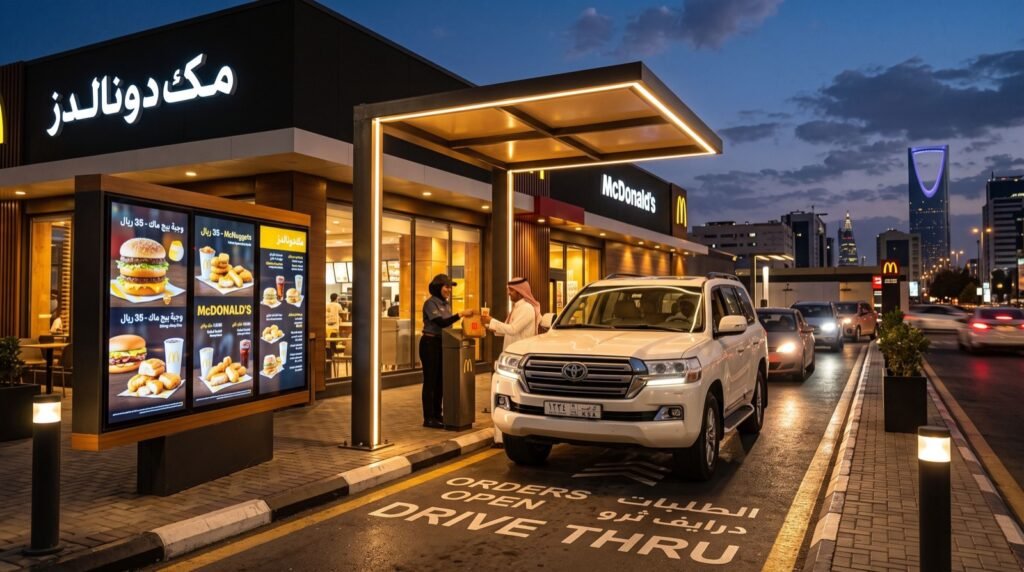
Outdoors: the drive-thru lane
Quick-service restaurants live or die on lane speed. A specialised HME Drive Thru in Riyadh timing and communication setup measures every car’s journey and keeps order-takers, kitchen, and window staff synchronised.
What the Indoor System Actually Controls
An indoor queue platform is more than a ticket dispenser. It orchestrates the whole visit.
- Smart routing: sends each visitor to the right service category and the shortest suitable counter.
- Bilingual calling: announces numbers on screens and audio in Arabic and English.
- Priority rules: moves elderly, disabled, or appointment-holding visitors ahead per policy.
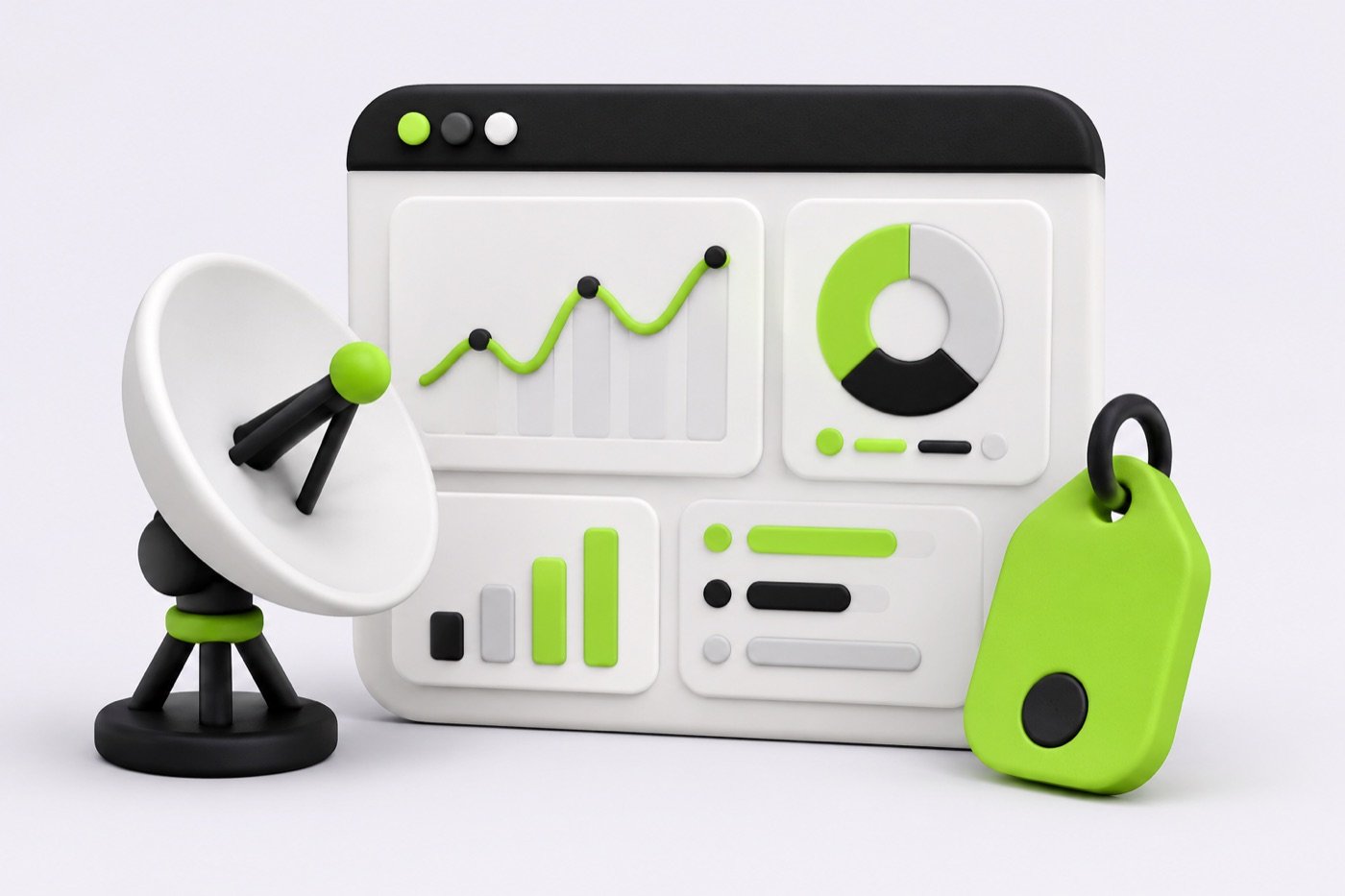
- Live analytics: tracks wait time, service time, and counter productivity in real time.
What the Drive-Thru System Measures
Outdoor lanes run on seconds. A modern drive-thru package times each stage of the vehicle’s path and gives managers hard numbers to act on.
- Detection: sensors log the exact moment a car reaches the menu board.
- Order timing: the system tracks how long ordering takes at the speaker post.
- Kitchen sync: clear headset communication keeps preparation aligned with the queue.
- Window handoff: total service time is measured to the moment the car pulls away.
- Reporting: daypart dashboards reveal where seconds leak during peak rushes.
Indoor Queue Versus Drive-Thru Timing
| Aspect | Indoor Queue System | Drive-Thru Timing System |
|---|---|---|
| Primary metric | Wait and service time per ticket | Seconds per car per stage |
| Customer signal | Ticket number and signage | Lane position and menu board |
| Core hardware | Kiosks, displays, dashboards | Sensors, headsets, timers |
| Best sector | Banks, clinics, government | Quick-service restaurants |
| Key win | Fair, orderly flow | Faster lane throughput |
Turning Timing Data Into Better Decisions
Collecting numbers is easy; acting on them is where operators separate. The best Riyadh sites treat their dashboards as a daily briefing, not a monthly archive.
Read the dayparts
Breakfast, lunch, and late-evening rushes each have their own rhythm. Timing data broken down by daypart shows exactly which shift needs an extra order-taker and which can run lean.
Coach on the outliers
Average service time hides the slow cars that frustrate everyone behind them. Focusing coaching on the longest transactions, not the mean, produces the fastest overall gains.
Integrating Both Channels for a Single View
Operators who run indoor counters and a drive-thru should not manage them as two disconnected worlds. A unified reporting approach delivers several advantages.
- One demand curve informs staffing across both channels, cutting overstaffing.
- Shared dashboards let a single manager spot bottlenecks anywhere on site.
- Consistent KPIs make branch-to-branch comparison fair and useful.
- Combined data strengthens the business case for future upgrades.
How Much Time Can Riyadh Operators Really Save?
The gains are concrete. Drive-thru operators who monitor stage timings routinely trim total service time by double-digit seconds per car, and at peak that translates into dozens of extra cars served an hour. Industry reporting from QSR Magazine has long shown that shaving even a few seconds off the average drive-thru visit lifts both throughput and customer satisfaction scores.
Indoors, the same principle holds. When a dashboard reveals that a branch spikes every afternoon, managers schedule staff to the demand instead of reacting to a full waiting room. To design and maintain either system well, most operators partner with trusted professionals who understand local traffic patterns and service expectations.
An operational tip for peak hours
Sync your indoor and drive-thru staffing plans off the same demand curve. In many Riyadh locations, indoor and drive-thru rushes hit at different minutes, so a small floating team can cover both peaks instead of overstaffing each channel separately.
Frequently Asked Questions
What is the main benefit of a queue management system in Riyadh?
It replaces disorganised waiting with structured, measurable flow. Visitors get a fair place in line and clear calling, while managers gain live data on wait times to staff their branches accurately.
How does a drive-thru timing system improve speed?
It measures each stage of a car’s journey, from menu board to window, so managers can pinpoint exactly where delays occur and coach teams to close the gap, raising cars served per hour.
Can one operator use both systems together?
Yes, and many do. An indoor queue platform handles counter service while a drive-thru package manages lane speed, giving a single business full visibility across both service channels.
How soon do these systems show results?
Most Riyadh sites see measurable improvements within the first busy week, as timing data exposes quick wins in staffing and workflow that were previously invisible.
Bringing Riyadh’s Waits Under Control in 2026
Speed is a promise customers notice every single day. By deploying a capable queue management system in Riyadh indoors and pairing it with precise drive-thru timing outdoors, operators in the capital turn waiting from a weakness into a competitive edge. In 2026’s demanding market, the businesses that measure their minutes are the ones that win the loyalty.
Ready to reclaim those lost minutes? Audit your busiest hour indoors and at the lane, then talk to a specialist about a pilot that proves the savings before you scale.